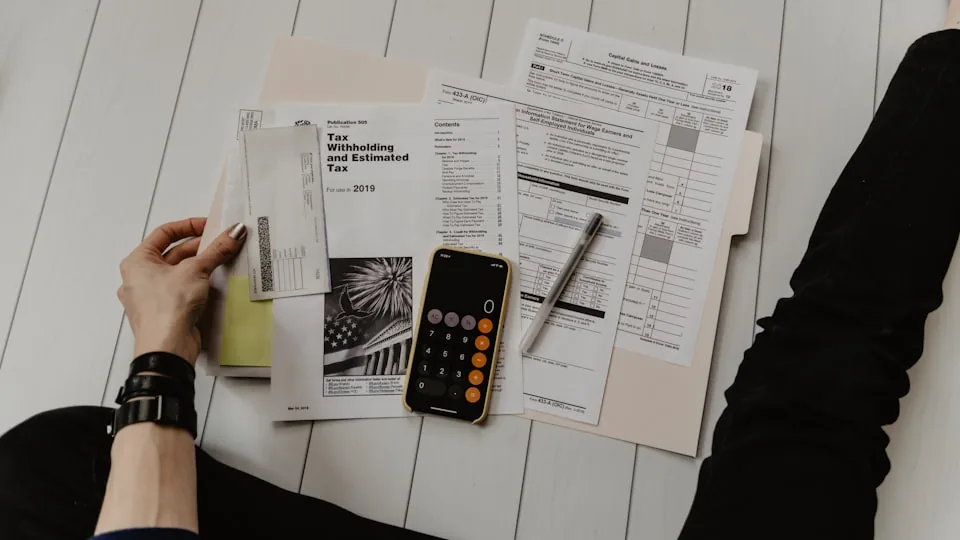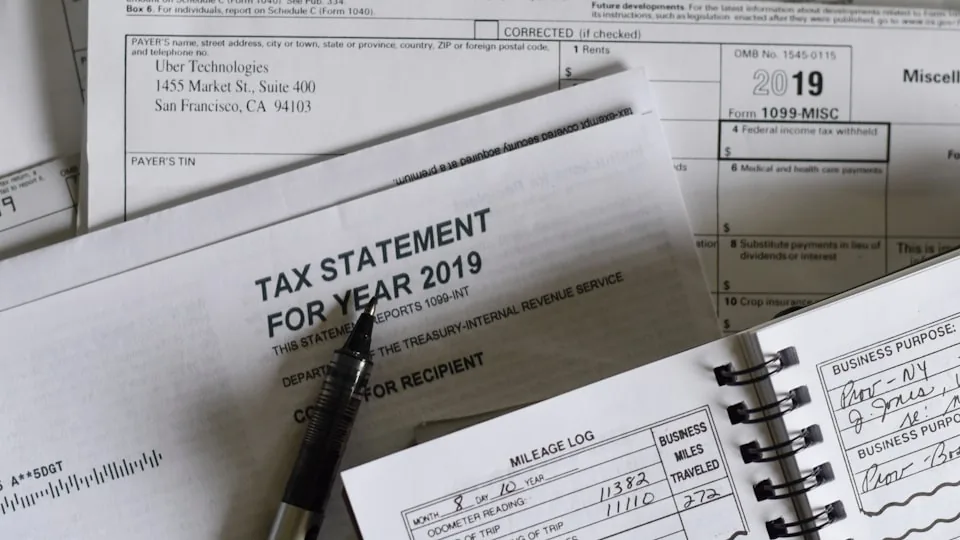
The most common penalty triggers we see: claiming input VAT without a valid tax invoice, missing the reverse-charge on imported services, and late filing because the books weren’t closed in time.
None of these are knowledge problems — they’re process problems. A business that closes its books monthly, reconciles VAT control accounts, and files from closed numbers almost never sees a penalty.
If your return is prepared from a bank statement and a shoebox of invoices in the last week of the filing period, the question isn’t whether an error happens — it’s when.
The five that account for most of it
Across the returns we review, a small number of errors keep recurring. None of them are exotic. All of them are cheap to prevent and expensive to unwind.
Claiming input VAT on a non-compliant invoice. A supplier invoice without a valid VAT number, without the VAT amount shown separately, or issued in a name that is not your registered entity, does not support a claim. ZATCA disallows it on review and the penalty attaches to your return, not the supplier's.
Claiming on blocked items. Passenger vehicles, entertainment and catering are the common ones. The invoice is perfectly valid; the claim still is not.
Filing from an open ledger. If the month has not been closed, the numbers in the return are provisional. Later adjustments do not update a return that has already been submitted.
Mixing up the tax point. VAT is due on the earlier of supply, invoice or payment. Businesses that file on payment date alone will eventually understate a period.
Missing the reverse charge on imported services. Software subscriptions, overseas consultants, foreign professional fees. Nothing arrives at customs, so nothing prompts anyone to account for it.
What the penalties actually cost
Late filing and late payment carry their own charges, and they run from the due date — not from the date anyone noticed. Because VAT errors repeat monthly or quarterly, the same mistake in a routine process is rarely a single penalty. It is the same penalty multiplied by however many periods passed before someone checked.
That is the part owners underestimate. A modest error found in month two is an adjustment. The same error found in month twenty is a disclosure, a recalculation across every affected period, and a conversation you did not want to have.
The reconciliation that prevents all of it
One check catches most of these before submission. Reconcile the VAT return to the ledger, and the ledger to the bank, before anyone presses submit.
Output VAT on the return should tie to the sales control account for the period. Input VAT should tie to the purchases control account. The difference should equal the payable or refundable balance on the balance sheet. If those three do not agree, something is wrong — and it is far better to find it now.
This takes about twenty minutes on a clean month. It is the single highest-value twenty minutes in the compliance calendar.
E-invoicing raised the stakes
Under ZATCA's e-invoicing regime, invoices are cleared or reported through the platform. That means the data ZATCA holds and the data in your return can now be compared directly and automatically.
Historically, a mismatch surfaced only if you were selected for review. Now the mismatch is visible in the system. The practical implication is simple: your return needs to agree with what your invoicing system actually transmitted, and manual adjustments made in the accounts but not reflected in the e-invoice data will stand out.
If you think there is an error already
Do not wait for it to be found. Voluntary disclosure before ZATCA raises a query is treated very differently from an error discovered on assessment. Quantify the exposure across all affected periods first, so the disclosure is complete rather than the first instalment of several.
Key points
- Most penalties trace to five recurring, preventable errors
- An invalid supplier invoice makes the claim your problem, not theirs
- Filing from an open ledger locks in provisional numbers
- Imported services need the reverse charge — nothing prompts you
- Recurring errors multiply by the number of periods before discovery
Practical checklist
- Close the month before preparing the return
- Tie output VAT to the sales control account
- Tie input VAT to the purchases control account
- Agree the net to the balance sheet payable
- Review supplier invoices for a valid VAT number and separate VAT line
- List imported services and apply the reverse charge
- Reconcile the return against transmitted e-invoice data